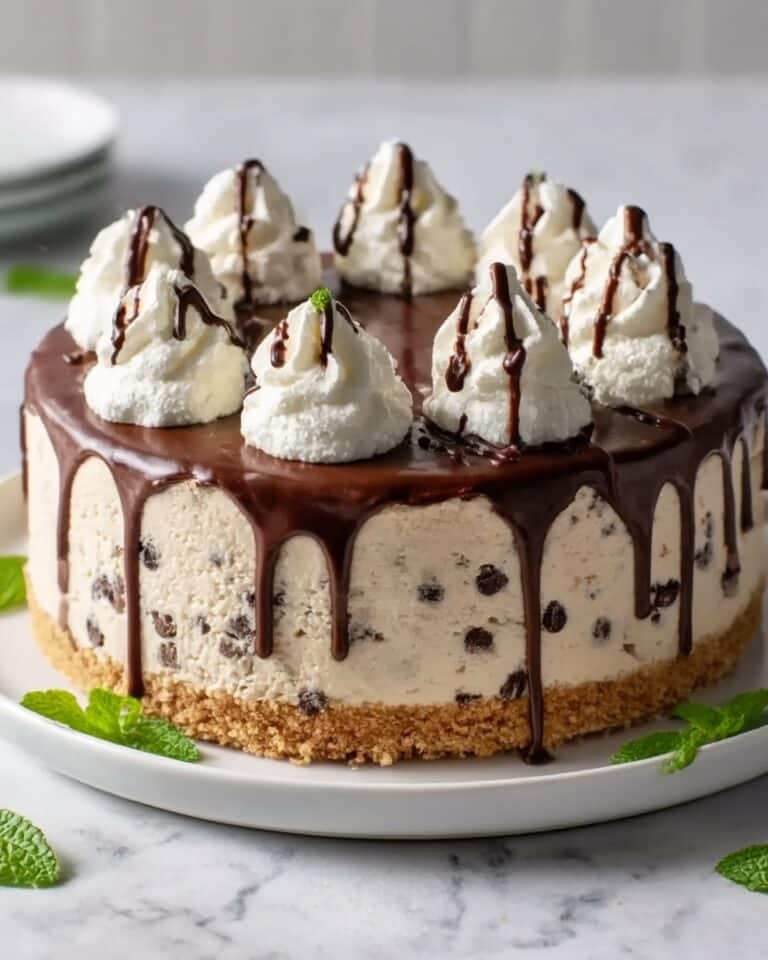
Creamy Key Lime Pudding Recipe
Introduction
This Creamy Key Lime Pudding is a refreshing and tangy dessert that’s smooth and luscious. Perfect for lime lovers, it combines fresh lime juice with a rich, velvety texture that’s easy to make at home.

Ingredients
- 1 tablespoon lime zest
- 3/4 cup fresh lime or key lime juice
- 3/4 cup granulated sugar
- 4 large eggs, at room temperature
- 5 tablespoons unsalted butter
- 3/4 cup heavy cream
- 1/4 cup confectioners’ sugar
Instructions
- Step 1: Fit a medium-sized bowl with a fine mesh sieve and set it aside.
- Step 2: In a medium saucepan, combine the lime zest, lime juice, sugar, and eggs. Add the butter and cook over medium-low heat, stirring almost constantly, until the mixture thickens enough to coat the back of a metal spoon.
- Step 3: Remove the saucepan from heat and pour the mixture through the prepared sieve into the bowl. Chill the pudding in the refrigerator for at least 2 hours.
- Step 4: When ready, whip the heavy cream and confectioners’ sugar together until stiff peaks form. Gently fold the whipped cream into the cooled pudding until fully combined.
- Step 5: Serve immediately or refrigerate until needed. The pudding will keep well for up to 48 hours.
Tips & Variations
- Use fresh key lime juice for the most authentic and vibrant flavor, or substitute with regular lime juice if needed.
- For a dairy-free version, try using coconut cream instead of heavy cream and butter.
- Make sure to stir constantly when heating the mixture to prevent the eggs from scrambling.
Storage
Store the pudding covered in the refrigerator for up to 48 hours. To re-serve, give it a gentle stir and add a little fresh whipped cream if desired. Avoid freezing as it may affect the texture.
How to Serve
Serve this delicious recipe with your favorite sides.
FAQs
Can I use bottled lime juice instead of fresh?
While fresh lime juice provides the best flavor, bottled juice can be used in a pinch. Just make sure it is 100% lime juice without added sugars or preservatives.
Is it safe to use raw eggs in this recipe?
The eggs are gently cooked over low heat until the mixture thickens, which reduces the risk of bacteria. However, using pasteurized eggs adds an extra level of safety.